
Sixth Sense: more freedom to decide where you go
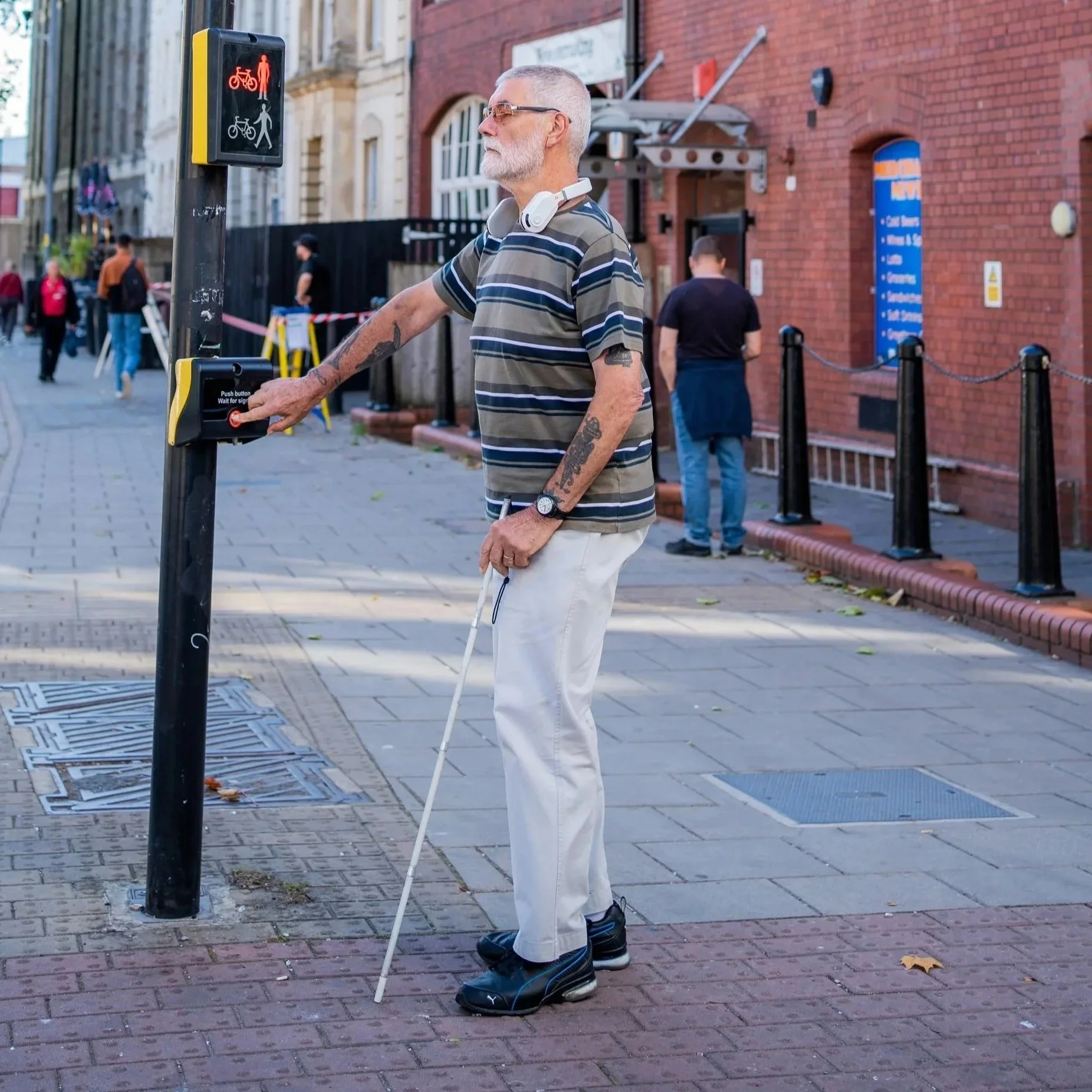
A branch hanging at head height. An open van door. A sign bolted to a lamppost. A street you have never walked before. All these are scary to a visually impaired person.
The white cane is an essential tool, and experienced cane users read a great deal through it. But a cane sweeps the ground, and plenty of what you can walk into isn't on the ground. Sixth Sense is designed to cover that gap.
Today is World Sight Day. This year's #LoveYourEyes campaign asks everyone to look after their eye health, and it puts lived experience at the heart of the conversation.
Eye care prevents avoidable sight loss, and that matters. But World Sight Day is also a moment to ask a second question: can blind and visually impaired people move through the world freely, on their own terms? Sixth Sense was built to help answer that question, and it was built by listening to people with lived experience of sight loss.
Sixth Sense is a wearable navigation aid from Hope Tech, with a companion app. It works alongside your white cane and does two jobs: it warns you about obstacles, and it guides you to where you're going.
What it does:

It detects what a cane can miss. Sixth Sense picks up obstacles above ground level, such as a low branch, a sign or an open vehicle door.
It tells you where and how far. When it detects something, it reports the direction and distance of the obstacle. Alerts come through vibration, sound or both, and you can adjust them to suit you.
It keeps your hands free. You control it with your voice, so your phone can stay in your pocket. You can pause, repeat or silence directions as you walk.
It is one device. No trailing wires, no separate battery pack and no extra computer to carry.
Sixth Sense started in Nairobi. Founder Brian Mwenda went to an integrated school alongside visually impaired classmates, then trained as an electrical engineer. He wanted to build a mobility tool his friends would actually choose to use.
The first version was handheld. Users told the team they wanted something more discreet that fitted into everyday life, so Hope Tech redesigned it as a wearable.
That way of working has continued. The team has run more than 100 hours of user testing, worked with communities in four countries and put more than 2,000 hours into development.
Hope Tech now works from London and Vienna. It’s work is with the support of Royal Academy of Engineering, EIT Urban Mobility, Hilfsgemeinschaft der Blinden und Sehschwachen Österreichs and the Global Disability Innovation Hub.
Independence is more than getting from A to B
A good mobility aid doesn't just get you to a destination. It makes it easier to choose the destination in the first place: to leave home without waiting for someone to guide you, to try a different route or to explore somewhere new.
Sixth Sense doesn't replace the cane, a guide dog or the skills people already have. It adds information, and with it, more choice.
How to get Sixth Sense
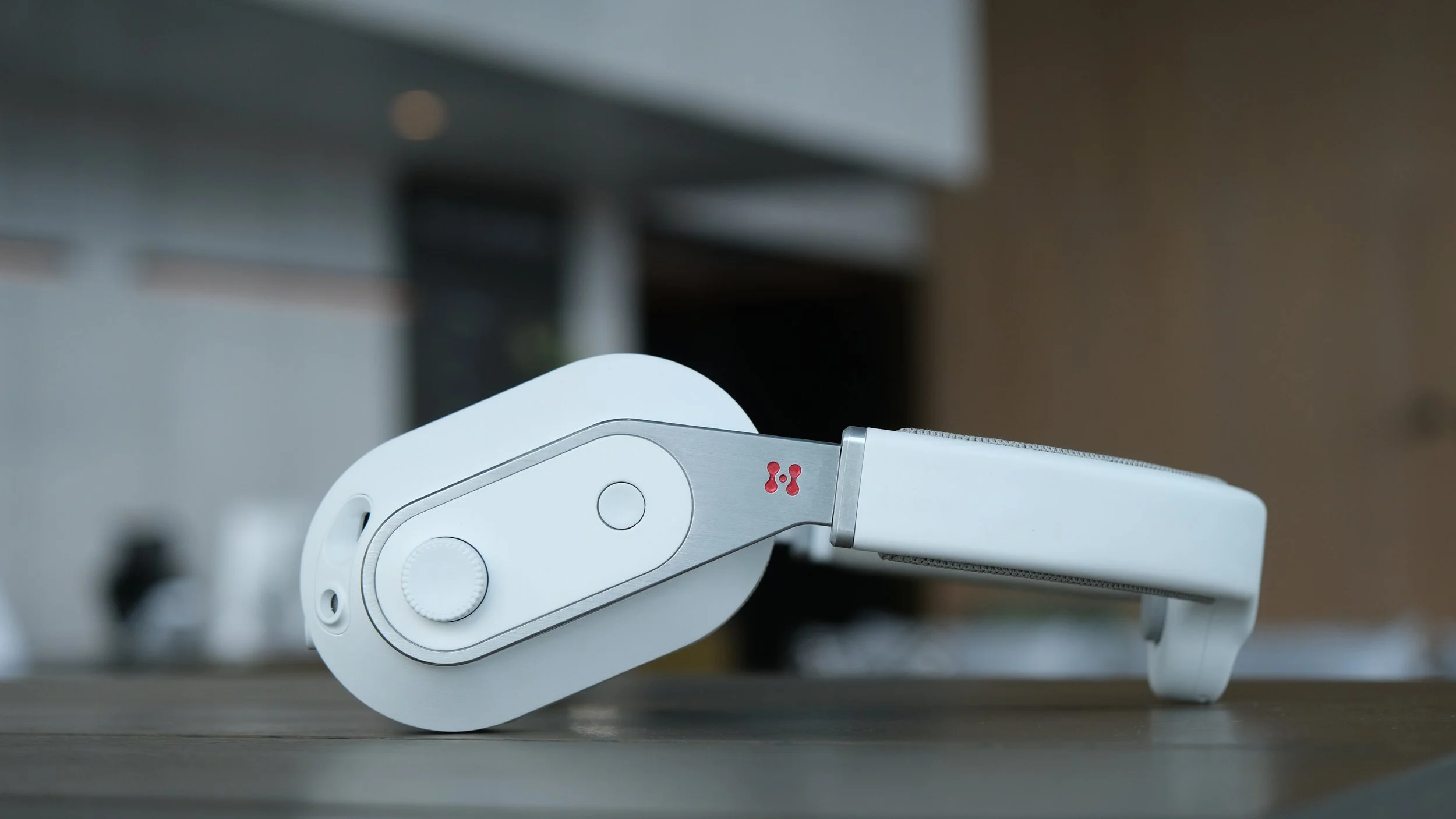
Sixth Sense is preparing for launch. To be among the first to use it, join the waitlist at hopetech.vision/waitlist.
Hope Tech also wants to hear from rehabilitation centres, schools, mobility trainers and organisations of blind and visually impaired people. Email hello@hopetech.vision or use the contact form.
This World Sight Day, look after your eyes. And if you know someone who would value more information, more confidence and more choice when they're out and about, share this post with them.
